
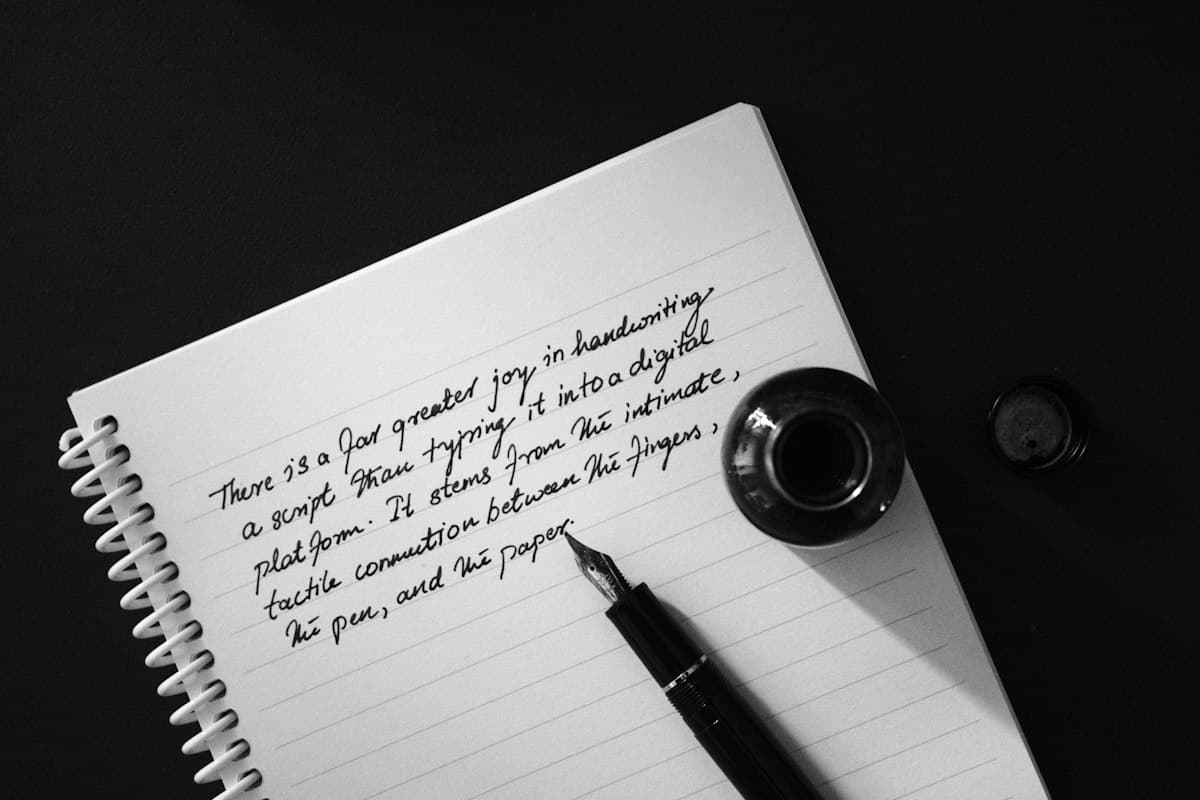
Copyright and trademark are both part of intellectual property law, but they answer different questions. Copyright protects what you create. A trademark protects how customers recognise who is selling something.
What copyright protects
Under the Copyright Act, 1957, copyright protects original literary, artistic, musical, and dramatic works, as well as films, sound recordings, and software. It protects the way an idea is expressed, not the idea itself. It arises automatically the moment the work is created, and for most works lasts for the author's lifetime plus sixty years.
What a trademark protects
A trademark protects the names, logos, slogans, and other signs that identify the source of goods or services. Its purpose is to stop customers being confused about who made or sold something, and, once registered, it can be renewed indefinitely every ten years.
- Copyright: the work itself — a book, a song, a photograph, a piece of software
- Trademark: the brand identity — a business name, a logo, a slogan
- Copyright arises automatically; trademark rights are strongest once registered
- Short names, titles, and slogans generally can't be copyrighted, but may qualify as trademarks
When both apply
A logo is a good example of overlap. The artwork itself can be protected by copyright, while its use as a brand identifier can be protected as a trademark. Each right is separate, so protecting one doesn't automatically protect the other.
Is registration needed?
Copyright doesn't require registration, but registering it provides formal evidence of ownership and the date of creation, which can matter a great deal in a dispute. Trademarks can be enforced without registration only through a passing-off action, which requires proving reputation; registration makes protection far more straightforward.
The takeaway
Before deciding how to protect something, it helps to ask what exactly needs protecting: the work itself, or the name and symbol customers associate with it. Often the answer is both.
This article is for general informational purposes only and does not constitute legal advice. Every matter has its own facts — please consult directly for guidance specific to your situation.
Related Reading