
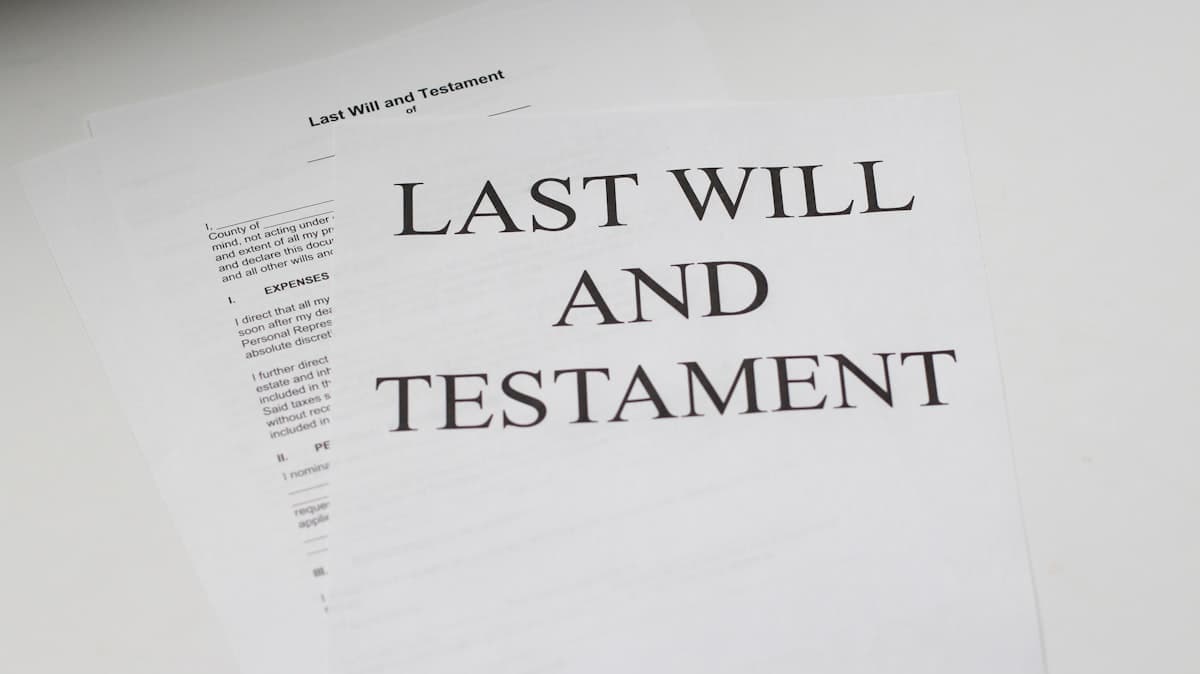
A Will is a legal declaration of how a person wants their assets distributed after death. It sounds like a formality that can wait — until a family is left navigating intestate succession law, competing claims, and months of documentation that a simple Will could have avoided entirely.
What makes a Will valid
Under the Indian Succession Act, 1925, a Will must be made voluntarily by a person of sound mind, signed by the testator, and attested by at least two witnesses who also sign in the testator's presence. Registration is not mandatory in most cases, but a registered Will carries stronger evidentiary weight if challenged later.
What a Will actually solves
Without a Will, property passes according to intestate succession rules, which may not reflect what the deceased actually wanted — and often takes far longer to formally settle, since all legal heirs typically need to be identified and involved.
- Clearly specifies who receives what, reducing the scope for family disputes
- Allows appointment of a guardian for minor children
- Can account for specific circumstances a fixed statutory formula wouldn't — a dependent, a family business, a specific bequest
- Can be updated as circumstances change, unlike decisions made after death
A simple starting point
A basic, properly executed Will is far less complicated — and far less expensive — than most people assume, especially compared to the cost of resolving a dispute among heirs after the fact.
This article is for general informational purposes only and does not constitute legal advice. Every matter has its own facts — please consult directly for guidance specific to your situation.